Like everything in life, there are poor, average and great versions of the same thing.
Cars. Builders. Accountants. Sales reps. Websites. Coffee.
AI receptionists are no different.
The problem is most business owners are being sold to as if every AI receptionist does the same job. They do not. Some barely answer the phone. Some handle basic FAQs and take a message. Some are genuinely useful.
And then there is the top tier.
The best AI receptionists are not really receptionists at all. They are AI sales agents. They can answer the phone, qualify the customer, follow your sales process, explain your services, provide pricing logic, trigger next steps, send quotes, book meetings and keep the whole process moving.
That is a completely different commercial outcome.
If you are thinking about adding an AI receptionist to your business, this is the distinction that matters. You are choosing between a cheap front-desk bot, a decent enquiry handler, and a proper sales asset that can increase revenue, reduce admin and improve the customer experience all at the same time.
The poor AI receptionist
A poor AI receptionist is usually the cheapest and simplest version.
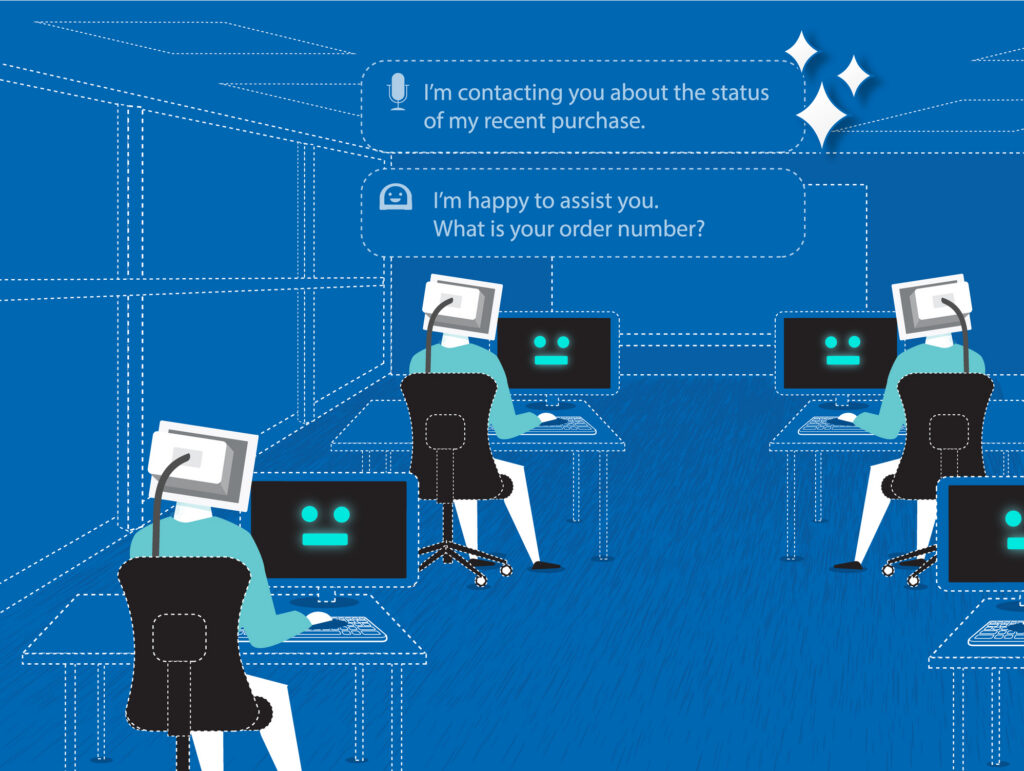
It answers the phone. It says hello. It tries to understand what the person wants. It may take a message. It may route the call to a person or department.
The poor version is slow to understand. It asks people to repeat themselves. It cannot handle anything outside a narrow script. It misunderstands accents, background noise and real-world language. It gives clunky answers. It does not know enough about the business. And when a customer asks a slightly specific question, it falls over.
Technically, it answers the phone.
Commercially, it may be doing damage.
Because from the customer’s point of view, this is not a technology test. It’s your business. If the first interaction feels slow, robotic, confusing or frustrating, the customer doesn’t blame the AI provider. They blame you.
In other words, the worst AI receptionists don’t save time. They just move the problem somewhere else.
The average AI receptionist
The average AI receptionist is better.
It responds faster. It sounds more polite. It can answer basic questions. It may provide opening hours, location information, service details, product information, warranty notes or common FAQs.
This level is often built for a specific industry. A clinic, mechanic, real estate agency, trade business or professional service firm might buy a pre-built AI receptionist that already understands the broad category.
That can be useful.
If your business gets a high volume of repetitive calls, an average AI receptionist can reduce interruptions. It can collect names, numbers and simple enquiry details. It can direct people to the right person. It can answer the same five questions your admin team hears every day.
But it’s still limited. Most average AI receptionists are built to handle information, not opportunity. They answer. They explain. They take notes. They do not really sell.
They often lack the commercial context that matters:
- Who is a high-value lead?
- What questions should be asked before booking a meeting?
- What makes someone a bad fit?
- What objections usually come up?
- What pricing rules apply?
- When should the customer be moved to a salesperson?
- What should happen next if the person is not ready today?
The average version is not bad. It’s just not transformational. It’s an admin tool. Helpful, but not a growth engine.
The great AI receptionist is actually an AI sales agent
The good-to-great category is where everything changes.
At this level, the AI receptionist stops being a receptionist and starts behaving like a trained sales rep.
It still answers the phone. It still handles enquiries. It still helps customers. But it does much more than that. A great AI sales agent can provide complex product or service information. It can understand the customer’s situation and ask qualifying questions. It can follow your sales process and scripts. It can explain pricing logic or generate a quote when the rules allow it.
Most importantly, it can automate the next step.
That’s the difference.
Poor AI receptionists answer and frustrate. Average AI receptionists answer and inform. Great AI sales agents answer, qualify and move the customer forward.
They can:
- Send a formal quote by email
- Book an appointment in the right person’s calendar
- Create or update the CRM record
- Trigger a follow-up sequence
- Alert a salesperson when a hot lead arrives
- Escalate complex enquiries to a human
- Capture clean data for reporting
- Keep the conversation going after the first interaction
This is where the business case becomes obvious.
A proper AI sales agents can become self-funding because it improves the parts of the business where money is already being lost: missed calls, slow response times, poor qualification, inconsistent follow-up and repetitive admin.
For businesses turning over roughly $1 million to $100 million, this can be a major profit lever. And not someday down the line. Today.
How to build a great AI sales agent
This is the part most people get wrong.
They think building an AI sales agent starts with technology. It doesn’t.
Technology matters, but it’s not the starting point. The starting point is strategy.
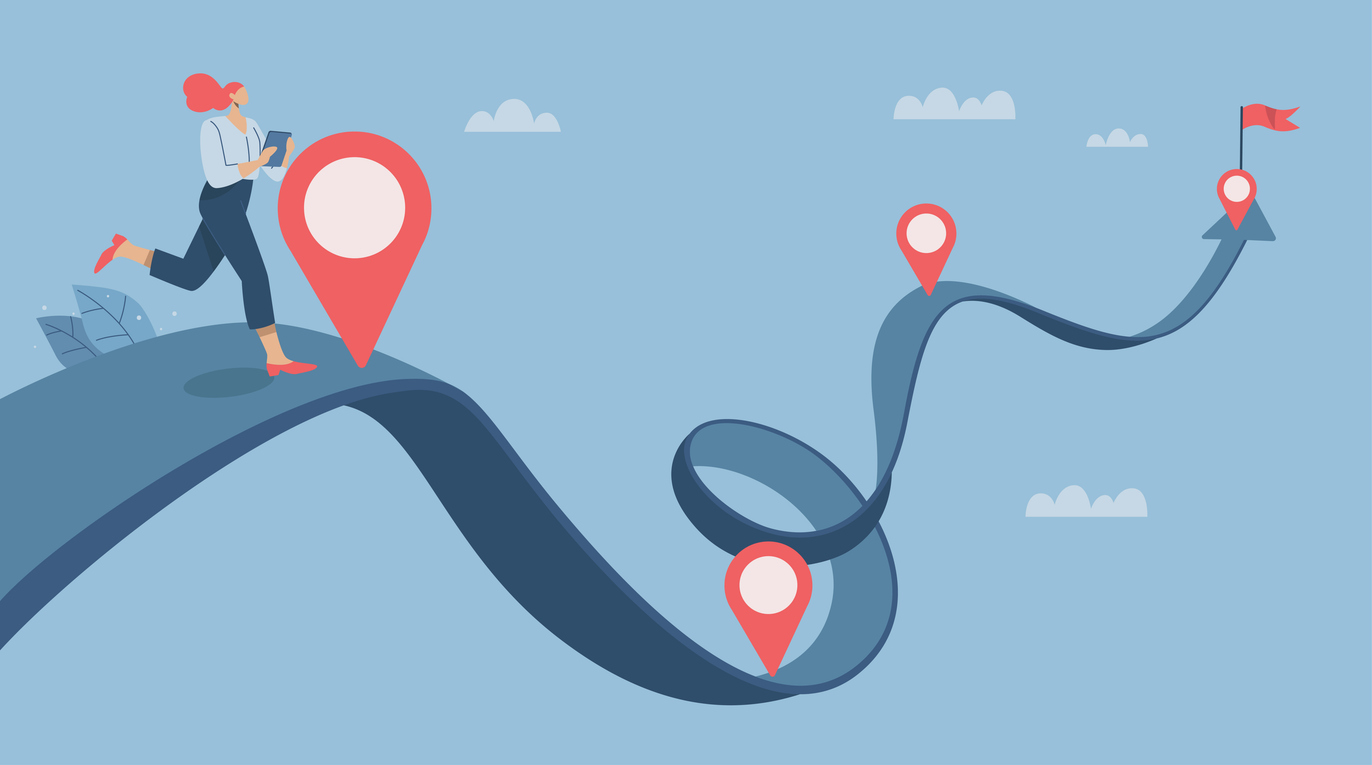
1. Strategy
First, you need to define exactly what you are building. Is it answering inbound calls only? Is it handling website chat? Is it responding to emails? Is it quoting? Is it booking appointments? Is it qualifying leads? Is it assisting customer service? Is it doing all of the above in phases?
You also need the rules.
What can it say? What can it not say? When does it escalate to a human? What pricing information can it provide? What promises must it never make? Which customers are a good fit? Which enquiries should be politely disqualified?
Then you need the roadmap. A good phase one build should not only solve the immediate problem. It should also prepare the business for where this can go next: phone, web chat, email, CRM automation, quote automation, service workflows and reporting.
2. Sales process
Once the strategy is clear, the sales process needs to be documented. Most businesses think they have a sales process. Often, what they really have is a few good people who know what to do because they have been around long enough.
A great AI sales agent needs the process written down. What happens from first enquiry to booked appointment, quote, follow-up and close? What questions should be asked? What makes someone qualified? What information should be captured? What happens if they are not ready yet?
This is where the AI becomes valuable. It follows the process you give it.
3. Scripts and workflows
Next come the scripts and workflows. Scripts do not mean robotic conversations. They mean approved ways to explain your business, ask the right questions and handle common situations.
Workflows define what happens next.
If a lead is hot, book a meeting. If they need pricing, send the correct quote template. If they are not ready, add them to nurture. If they need support, create a ticket. If the issue is complex, alert a human. If the customer asks something the AI should not answer, escalate.
This is how you stop the AI from being a novelty and turn it into a business system.
4. Knowledge base
The knowledge base is the brain. It contains your services, products, pricing rules, FAQs, objections, scripts, proof points, policies, customer service rules, qualification criteria and escalation triggers.
This is also where most basic AI receptionists fail. They are not weak because AI is weak. They are weak because nobody gave them the right information. A great AI sales agent is built on approved business knowledge and clear escalation rules.
5. Technical build
Only after the strategy, process, scripts, workflows and knowledge base are clear should the technical build begin.
This is where the pieces come together:
- The AI brain
- The voice layer
- The web chat layer
- The email sales agent
- The automation engine
- CRM integration
- Calendar integration
- POS or ERP integration
- Quote and email templates
- Escalation rules
- Reporting and monitoring
The goal is not to build something fancy. The goal is to build something that works inside the business. If your team uses a CRM, the AI needs to update it. If bookings happen in a calendar, the AI needs to book into it. If quotes are generated from rules, the AI needs those rules.
The best AI sales agents do not sit beside the business. They plug into it.
6. Test, train and launch
Before going live, the AI needs to be tested properly. Ask it the obvious questions. Then ask it the difficult ones. Ask it pricing questions, weird edge cases, objection-heavy questions, angry customer questions and questions it should not answer.
This is how you train it.
You review what it says, correct it, improve the knowledge base, tighten the workflow and test again. Then you go live.
But, launch is not the finish line. Once real customers start using it, you monitor the conversations, improve answers, add new questions, refine qualification and expand the use cases. That is where the compounding value starts.
The best part: it gets better over time
An AI sales agent is not a static asset.
Your human team gets better through training, coaching and experience. Your AI sales agent gets better through better knowledge, better workflows, better integrations and improvements in the AI technology underneath it.
That is why this is such a big lever.
You build the foundation once, then keep improving the system. As AI capability improves, the agent becomes more capable. As your business updates its knowledge base, the agent becomes more useful.
The businesses that start now will not just have an AI receptionist. They will have a learning sales asset sitting inside the business.
The takeaway
Poor AI receptionists damage the customer experience. Average AI receptionists reduce admin. Great AI sales agents increase revenue, improve follow-up, protect margin, reduce wasted time and make the business more consistent.
That is the category worth building.
If your goal is simply to answer the phone, a basic AI receptionist might be enough. But if your goal is to turn more enquiries into customers, you need something more powerful.
You need an AI sales agent that understands your business, follows your process, connects to your systems and moves every opportunity forward.
Book an AI Sales Agent Strategy Session with Due North and map what a proper AI sales agent could do inside your business.